El Encuentro que Conmocionó al Mundo
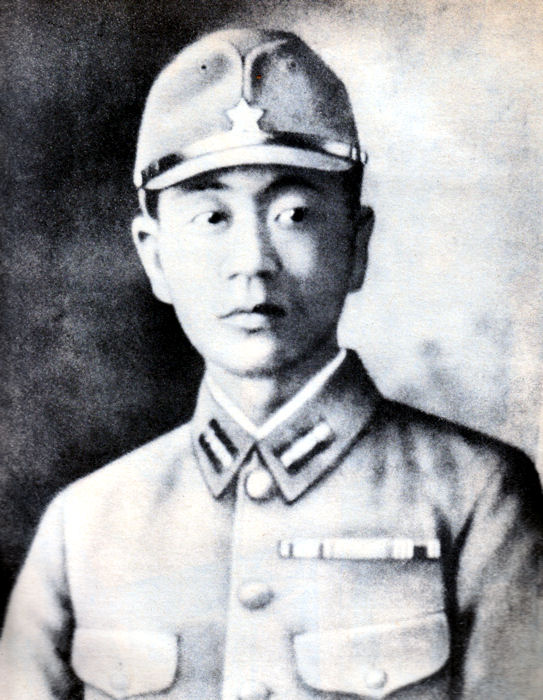
Imagina una tarde húmeda en la selva de Guam, el 24 de enero de 1972. Dos cazadores locales, Manuel y Jesús, buscaban camarones en un pequeño arroyo. De repente, vieron una figura flaca y demacrada entre los árboles. Sus ojos eran penetrantes, su cabello largo y enmarañado, su barba descuidada, y su cuerpo solo cubierto con harapos cosidos de corteza de árbol. Sin decir una palabra, el hombre se abalanzó hacia ellos con un palo afilado, listo para atacar. Manuel y Jesús, sorprendidos, retrocedieron e intentaron calmarlo. En un japonés entrecortado, le preguntaron: "La guerra terminó. ¿Lo sabías?" El hombre se quedó en silencio. Su rostro se congeló. Luego, lentamente, dejó caer su arma y lloró, por primera vez en casi tres décadas. El mundo supo entonces: era el sargento Shoichi Yokoi, el último soldado del Imperio Japonés encontrado.
El Soldado que se Negó a Rendirse
Shoichi Yokoi nació el 31 de marzo de 1915 en Saori, Japón. Sastre antes de la guerra, nunca imaginó que su vida se convertiría en una pesadilla interminable. En 1941, fue llamado a servir en el Ejército Imperial Japonés. En 1944, fue enviado a Guam, una isla en el Pacífico que se convirtió en un campo de batalla feroz entre Estados Unidos y Japón. En julio de 1944, las tropas estadounidenses lograron retomar Guam. Miles de soldados japoneses murieron o fueron capturados. Sin embargo, unos pocos eligieron esconderse en la densa selva, siguiendo la doctrina militar japonesa que prohibía la rendición. Shoichi estaba entre ellos.
Viviendo en la Sombra del Miedo
Durante 28 años, Shoichi Yokoi vivió en la oscuridad de una cueva húmeda y estrecha. Cavó un agujero bajo tierra para dormir, forrado con hojas y ramas. Cada día era una lucha por sobrevivir. Cazaba cangrejos, camarones, ranas y serpientes con las manos desnudas o con trampas simples. Comía frutas del bosque, raíces y, a veces, ratas. Para no ser detectado, solo salía de noche. Se bañaba en el mismo río donde defecaba, por miedo a dejar rastros. Su ropa estaba hecha de corteza de árbol tejida por él mismo, ya que su uniforme original se había desgastado después de unos años. Sus uñas de los pies eran largas y afiladas como garras, porque nunca las cortó. Nunca vio su propio rostro: no había espejos, solo su reflejo en el agua.
La Misión que Nunca Terminó
Lo que más atormentaba a Shoichi no era el hambre o el frío, sino el miedo y la soledad infinitos. Vivía con una convicción: la guerra aún continuaba, y él era un guerrero que no podía rendirse. Cada vez que oía un avión o un helicóptero, se escondía más profundamente. Cada vez que veía humo de una aldea, pensaba que era el enemigo buscándolo. Leía los panfletos lanzados por las tropas estadounidenses que anunciaban el fin de la guerra, pero los consideraba propaganda enemiga. Para él, rendirse era peor que morir. Prefería morir de hambre antes que ser prisionero. Durante 28 años, no habló con nadie. Solo hablaba consigo mismo, a veces cantando el himno nacional japonés con voz ronca para recordarse su tierra natal.
El Momento de la Amarga Verdad
Cuando finalmente fue encontrado por los dos cazadores, Shoichi estaba en condiciones físicas frágiles pero aún mentalmente fuerte. Pesaba solo unos 40 kilogramos, menos de la mitad de su peso normal. Fue llevado al hospital en Guam, donde los médicos trataron sus heridas y le dijeron que la guerra realmente había terminado en 1945. Shoichi se quedó en silencio, las lágrimas corrían por su rostro. Dijo: "Estoy muy avergonzado de seguir vivo". Esas palabras reflejan la carga psicológica que soportó un soldado leal a una misión que nunca existió. Cuando le preguntaron por qué no se rindió antes, respondió: "Se nos ordenó no rendirnos. Solo seguí órdenes".
Un Regreso Emotivo y Polémico
El 2 de febrero de 1972, Shoichi Yokoi fue llevado de vuelta a Japón. La noticia de su regreso se convirtió en una sensación mundial. Cientos de miles de personas lo recibieron en el aeropuerto, muchos llorando de emoción. Fue recibido como un héroe, pero también como un recordatorio desgarrador del fanatismo de la guerra. El gobierno japonés le dio una compensación de 300,000 yenes (unos 10,000 ringgit en ese momento) y una pensión mensual. Sin embargo, Shoichi nunca se recuperó realmente. A menudo tenía pesadillas y le costaba adaptarse al mundo moderno. Se casó con una mujer que conoció por correspondencia, pero su vida estuvo llena de tristeza y arrepentimiento. Murió de un ataque al corazón el 22 de septiembre de 1997, a los 82 años. Pero su legado perdura: una historia de lealtad, resistencia y el precio que pagan aquellos que no saben cuándo termina la guerra.
Lecciones de un Superviviente
La historia de Shoichi Yokoi es más que una nota al pie en la historia de la Segunda Guerra Mundial. Es un espejo del alma humana, capaz de soportar las condiciones más imposibles, pero también muestra lo peligrosas que pueden ser las doctrinas e ideologías incuestionables. Durante 28 años, vivió en una cueva, pero en realidad vivió en la prisión de su propia mente. Cuando finalmente fue libre, descubrió que el mundo había cambiado sin él. Sin embargo, nos enseñó que cuando toda esperanza se pierde, el instinto de supervivencia aún brilla, incluso en la oscuridad más profunda.
---
Referencia: Shoichi Yokoi — Wikipedia
28 Años en una Cueva: La Misión Eterna del Soldado Japonés que No Sabía que la Guerra Había Terminado. En enero de 1972, el mundo se sorprendió con el hallazgo de un hombre harapiento en la selva de Guam. Era Shoichi Yokoi, un soldado japonés que se había escondido en una cueva durante 28 años desde la Segunda Guerra Mundial. Sin saber que la guerra había terminado, vivió con miedo y una misión falsa, convirtiéndose en un símbolo de resistencia y devoción trágica.. El Encuentro que Conmocionó al Mundo
Imagina una tarde húmeda en la selva de Guam, el 24 de enero de 1972. Dos cazadores locales, Manuel y Jesús, buscaban camarones en un pequeño arroyo. De repente, vieron una figura flaca y demacrada entre los árboles. Sus ojos eran penetrantes, su cabello largo y enmarañado, su barba descuidada, y su cuerpo solo cubierto con harapos cosidos de corteza de árbol. Sin decir una palabra, el hombre se abalanzó hacia ellos con un palo afilado, listo para atacar. Manuel y Jesús, sorprendidos, retrocedieron e intentaron calmarlo. En un japonés entrecortado, le preguntaron: "La guerra terminó. ¿Lo sabías?" El hombre se quedó en silencio. Su rostro se congeló. Luego, lentamente, dejó caer su arma y lloró, por primera vez en casi tres décadas. El mundo supo entonces: era el sargento Shoichi Yokoi, el último soldado del Imperio Japonés encontrado.
El Soldado que se Negó a Rendirse
Shoichi Yokoi nació el 31 de marzo de 1915 en Saori, Japón. Sastre antes de la guerra, nunca imaginó que su vida se convertiría en una pesadilla interminable. En 1941, fue llamado a servir en el Ejército Imperial Japonés. En 1944, fue enviado a Guam, una isla en el Pacífico que se convirtió en un campo de batalla feroz entre Estados Unidos y Japón. En julio de 1944, las tropas estadounidenses lograron retomar Guam. Miles de soldados japoneses murieron o fueron capturados. Sin embargo, unos pocos eligieron esconderse en la densa selva, siguiendo la doctrina militar japonesa que prohibía la rendición. Shoichi estaba entre ellos.
Viviendo en la Sombra del Miedo
Durante 28 años, Shoichi Yokoi vivió en la oscuridad de una cueva húmeda y estrecha. Cavó un agujero bajo tierra para dormir, forrado con hojas y ramas. Cada día era una lucha por sobrevivir. Cazaba cangrejos, camarones, ranas y serpientes con las manos desnudas o con trampas simples. Comía frutas del bosque, raíces y, a veces, ratas. Para no ser detectado, solo salía de noche. Se bañaba en el mismo río donde defecaba, por miedo a dejar rastros. Su ropa estaba hecha de corteza de árbol tejida por él mismo, ya que su uniforme original se había desgastado después de unos años. Sus uñas de los pies eran largas y afiladas como garras, porque nunca las cortó. Nunca vio su propio rostro: no había espejos, solo su reflejo en el agua.
La Misión que Nunca Terminó
Lo que más atormentaba a Shoichi no era el hambre o el frío, sino el miedo y la soledad infinitos. Vivía con una convicción: la guerra aún continuaba, y él era un guerrero que no podía rendirse. Cada vez que oía un avión o un helicóptero, se escondía más profundamente. Cada vez que veía humo de una aldea, pensaba que era el enemigo buscándolo. Leía los panfletos lanzados por las tropas estadounidenses que anunciaban el fin de la guerra, pero los consideraba propaganda enemiga. Para él, rendirse era peor que morir. Prefería morir de hambre antes que ser prisionero. Durante 28 años, no habló con nadie. Solo hablaba consigo mismo, a veces cantando el himno nacional japonés con voz ronca para recordarse su tierra natal.
El Momento de la Amarga Verdad
Cuando finalmente fue encontrado por los dos cazadores, Shoichi estaba en condiciones físicas frágiles pero aún mentalmente fuerte. Pesaba solo unos 40 kilogramos, menos de la mitad de su peso normal. Fue llevado al hospital en Guam, donde los médicos trataron sus heridas y le dijeron que la guerra realmente había terminado en 1945. Shoichi se quedó en silencio, las lágrimas corrían por su rostro. Dijo: "Estoy muy avergonzado de seguir vivo". Esas palabras reflejan la carga psicológica que soportó un soldado leal a una misión que nunca existió. Cuando le preguntaron por qué no se rindió antes, respondió: "Se nos ordenó no rendirnos. Solo seguí órdenes".
Un Regreso Emotivo y Polémico
El 2 de febrero de 1972, Shoichi Yokoi fue llevado de vuelta a Japón. La noticia de su regreso se convirtió en una sensación mundial. Cientos de miles de personas lo recibieron en el aeropuerto, muchos llorando de emoción. Fue recibido como un héroe, pero también como un recordatorio desgarrador del fanatismo de la guerra. El gobierno japonés le dio una compensación de 300,000 yenes unos 10,000 ringgit en ese momento y una pensión mensual. Sin embargo, Shoichi nunca se recuperó realmente. A menudo tenía pesadillas y le costaba adaptarse al mundo moderno. Se casó con una mujer que conoció por correspondencia, pero su vida estuvo llena de tristeza y arrepentimiento. Murió de un ataque al corazón el 22 de septiembre de 1997, a los 82 años. Pero su legado perdura: una historia de lealtad, resistencia y el precio que pagan aquellos que no saben cuándo termina la guerra.
Lecciones de un Superviviente
La historia de Shoichi Yokoi es más que una nota al pie en la historia de la Segunda Guerra Mundial. Es un espejo del alma humana, capaz de soportar las condiciones más imposibles, pero también muestra lo peligrosas que pueden ser las doctrinas e ideologías incuestionables. Durante 28 años, vivió en una cueva, pero en realidad vivió en la prisión de su propia mente. Cuando finalmente fue libre, descubrió que el mundo había cambiado sin él. Sin embargo, nos enseñó que cuando toda esperanza se pierde, el instinto de supervivencia aún brilla, incluso en la oscuridad más profunda.
---
Referencia: Shoichi Yokoi — Wikipedia https://en.wikipedia.org/wiki/Shoichi Yokoi