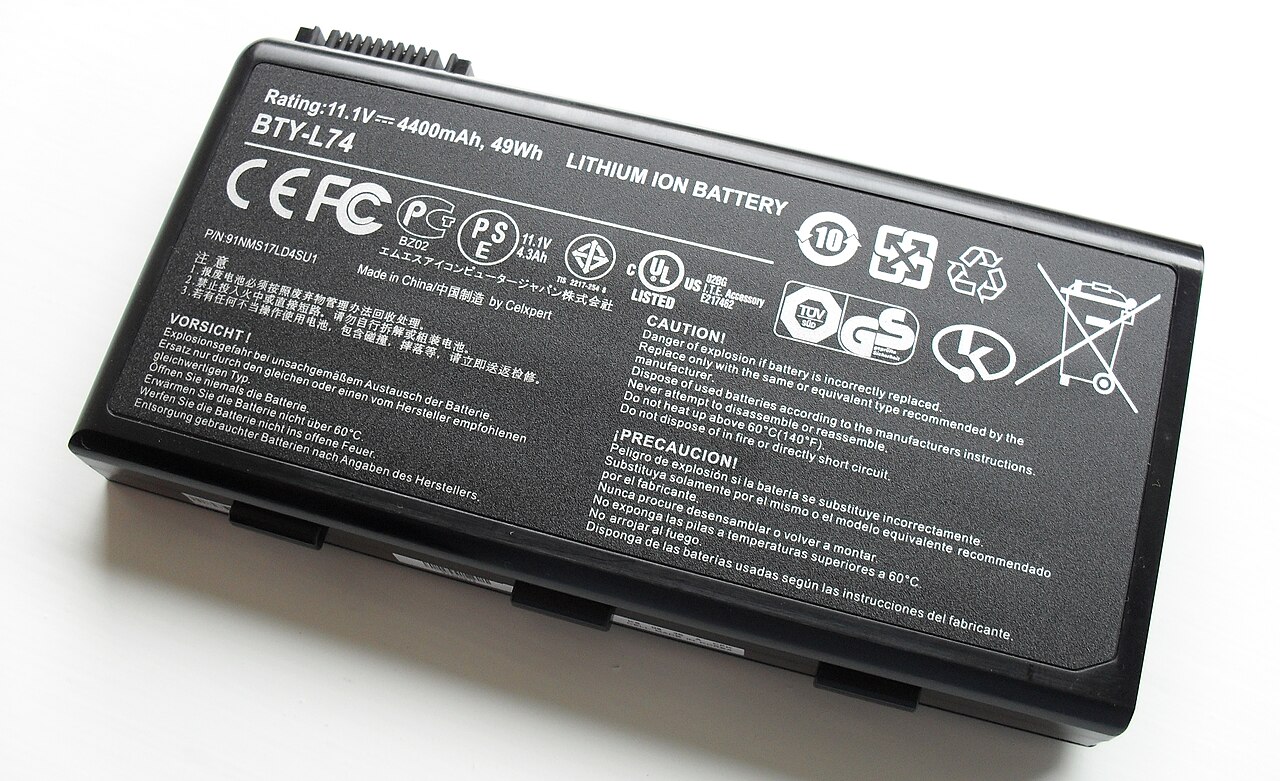
Imagine a world without rechargeable smartphones, lightweight laptops, or quiet electric cars gliding on the roads. Difficult, isn't it? All of this is possible thanks to a small but remarkable technology: lithium-ion batteries. In just three decades, these batteries have transformed from a laboratory concept into the backbone of our digital and green lives. This article will dissect the science, history, and significant impact of lithium-ion batteries, as well as why they are considered one of the most important inventions of the 20th century.
Reverse Intercalation: The Secret of Energy Storage
At the heart of lithium-ion batteries is a process called reverse intercalation. Don't be intimidated by this technical term; it's actually quite easy to understand. Imagine a sponge that can absorb water and then squeeze it out again. In a battery, lithium ions (Li⁺) move back and forth between two solid electrodes—anode and cathode—without changing the basic structure of the material. During charging, lithium ions leave the cathode and "get absorbed" into the anode. During use, the ions return to the cathode, generating an electron flow that we use as electrical power. This process can be repeated hundreds, even thousands of times, providing a long cycle life. This is what distinguishes lithium-ion batteries from disposable batteries or other heavier and less efficient types.
Evolution of Cathode Materials: From Cobalt to Multiple Options
One of the main advantages of lithium-ion batteries is their versatility, usually categorized by the material used in the cathode. Each material offers a different balance between energy density, safety, cost, and cycle life. Three main types dominate the market:
- Lithium Cobalt Oxide (LiCoO₂): The first commercialized, used in smartphones and laptops due to its high energy density. However, it is expensive and less stable at high temperatures.
- Lithium Iron Phosphate (LiFePO₄): More safe, durable, and affordable, but with lower energy density. Popular in power tools and electric buses.
- Lithium Nickel Manganese Cobalt Oxide (NMC): The best compromise between performance and cost, making it the preferred choice for modern electric vehicles.
This diversity allows lithium-ion batteries to be tailored for various applications, from small devices to large power grids.
Advantages Over Other Rechargeable Batteries: Lighter, More Compact, and Longer Lasting
Compared to other rechargeable batteries such as nickel-cadmium (NiCd) or nickel-metal hydride (NiMH), lithium-ion batteries stand out in several aspects:
- Higher Specific Energy: It can store more energy per unit weight. This is crucial for mobile devices and electric vehicles.
- Higher Energy Density: More energy per unit volume, allowing for thinner and smaller designs.
- Higher Energy Efficiency: Less energy is lost during charging and discharging.
- Longer Cycle and Calendar Life: Can be charged and discharged hundreds of times with minimal degradation, and lasts longer even when not in use.
Since 1991, the volumetric energy density of lithium-ion batteries has tripled, while their cost has dropped tenfold. By the end of 2024, global demand exceeded 1 terawatt-hour per year, with production capacity more than double that. This shows how massive this revolution is.
Impact on Technology and Daily Life
It is not an exaggeration to say that lithium-ion batteries have fundamentally changed technology. Without them, smartphones would not be portable and slim. Laptops would remain heavy and dependent on power cords. And electric cars like Tesla or Nissan Leaf might only be dreams. This invention enables the shift from wired devices to a wireless world, opening the door to innovations such as drones, wearable devices, and renewable energy storage systems.
The highest recognition came in 2019 when the Nobel Prize in Chemistry was awarded to John B. Goodenough, M. Stanley Whittingham, and Akira Yoshino for their contributions to the development of lithium-ion batteries. This highlights how important this invention is for human progress.
Challenges and Future: Safety, Recycling, and Alternatives
However, lithium-ion batteries are not without challenges. Safety issues such as overheating and fires, especially in damaged or improperly charged batteries, remain a concern. Additionally, the mining of lithium and cobalt has environmental and ethical impacts that need to be addressed. Battery recycling is still low, although efforts are being intensified.
The future may see lithium-ion batteries replaced by new technologies such as solid-state batteries, which offer higher energy density and greater safety. Or sodium-ion batteries, which are cheaper and more environmentally friendly. However, for now, lithium-ion batteries remain the king of energy storage.
Reflection: Are We Too Dependent on One Technology?
When we reflect on the journey of lithium-ion batteries, one question arises: are we too dependent on a resource-limited technology? Although it has brought extraordinary progress, this dependence poses geopolitical and environmental risks. Future innovations may come from various directions, but the lesson from lithium-ion batteries is clear: one invention can change the world, but we must always seek a balance between progress and sustainability.
---
Reference: Lithium-ion battery — Wikipedia
Lithium-Ion Batteries: The Energy Revolution That Changed the World in Three Decades. Lithium-ion batteries have revolutionized the way we store and use energy, from smartphones to electric vehicles. In three decades since their commercialization in 1991, the energy density of these batteries has tripled while their cost has dropped tenfold. This article explores the phenomenon of intercalation, the evolution of cathode materials, the impact on consumer technology, and future prospects. Discover how this invention, awarded the 2019 Nobel Prize in Chemistry, continues to reshape modern life.. Imagine a world without rechargeable smartphones, lightweight laptops, or quiet electric cars gliding on the roads. Difficult, isn't it? All of this is possible thanks to a small but remarkable technology: lithium-ion batteries. In just three decades, these batteries have transformed from a laboratory concept into the backbone of our digital and green lives. This article will dissect the science, history, and significant impact of lithium-ion batteries, as well as why they are considered one of the most important inventions of the 20th century.
Reverse Intercalation: The Secret of Energy Storage
At the heart of lithium-ion batteries is a process called reverse intercalation. Don't be intimidated by this technical term; it's actually quite easy to understand. Imagine a sponge that can absorb water and then squeeze it out again. In a battery, lithium ions Li⁺ move back and forth between two solid electrodes—anode and cathode—without changing the basic structure of the material. During charging, lithium ions leave the cathode and "get absorbed" into the anode. During use, the ions return to the cathode, generating an electron flow that we use as electrical power. This process can be repeated hundreds, even thousands of times, providing a long cycle life. This is what distinguishes lithium-ion batteries from disposable batteries or other heavier and less efficient types.
Evolution of Cathode Materials: From Cobalt to Multiple Options
One of the main advantages of lithium-ion batteries is their versatility, usually categorized by the material used in the cathode. Each material offers a different balance between energy density, safety, cost, and cycle life. Three main types dominate the market:
Lithium Cobalt Oxide LiCoO₂ : The first commercialized, used in smartphones and laptops due to its high energy density. However, it is expensive and less stable at high temperatures.
Lithium Iron Phosphate LiFePO₄ : More safe, durable, and affordable, but with lower energy density. Popular in power tools and electric buses.
Lithium Nickel Manganese Cobalt Oxide NMC : The best compromise between performance and cost, making it the preferred choice for modern electric vehicles.
This diversity allows lithium-ion batteries to be tailored for various applications, from small devices to large power grids.
Advantages Over Other Rechargeable Batteries: Lighter, More Compact, and Longer Lasting
Compared to other rechargeable batteries such as nickel-cadmium NiCd or nickel-metal hydride NiMH , lithium-ion batteries stand out in several aspects:
Higher Specific Energy : It can store more energy per unit weight. This is crucial for mobile devices and electric vehicles.
Higher Energy Density : More energy per unit volume, allowing for thinner and smaller designs.
Higher Energy Efficiency : Less energy is lost during charging and discharging.
Longer Cycle and Calendar Life : Can be charged and discharged hundreds of times with minimal degradation, and lasts longer even when not in use.
Since 1991, the volumetric energy density of lithium-ion batteries has tripled, while their cost has dropped tenfold. By the end of 2024, global demand exceeded 1 terawatt-hour per year, with production capacity more than double that. This shows how massive this revolution is.
Impact on Technology and Daily Life
It is not an exaggeration to say that lithium-ion batteries have fundamentally changed technology. Without them, smartphones would not be portable and slim. Laptops would remain heavy and dependent on power cords. And electric cars like Tesla or Nissan Leaf might only be dreams. This invention enables the shift from wired devices to a wireless world, opening the door to innovations such as drones, wearable devices, and renewable energy storage systems.
The highest recognition came in 2019 when the Nobel Prize in Chemistry was awarded to John B. Goodenough, M. Stanley Whittingham, and Akira Yoshino for their contributions to the development of lithium-ion batteries. This highlights how important this invention is for human progress.
Challenges and Future: Safety, Recycling, and Alternatives
However, lithium-ion batteries are not without challenges. Safety issues such as overheating and fires, especially in damaged or improperly charged batteries, remain a concern. Additionally, the mining of lithium and cobalt has environmental and ethical impacts that need to be addressed. Battery recycling is still low, although efforts are being intensified.
The future may see lithium-ion batteries replaced by new technologies such as solid-state batteries, which offer higher energy density and greater safety. Or sodium-ion batteries, which are cheaper and more environmentally friendly. However, for now, lithium-ion batteries remain the king of energy storage.
Reflection: Are We Too Dependent on One Technology?
When we reflect on the journey of lithium-ion batteries, one question arises: are we too dependent on a resource-limited technology? Although it has brought extraordinary progress, this dependence poses geopolitical and environmental risks. Future innovations may come from various directions, but the lesson from lithium-ion batteries is clear: one invention can change the world, but we must always seek a balance between progress and sustainability.
---
Reference: Lithium-ion battery — Wikipedia https://en.wikipedia.org/wiki/Lithium-ion battery